

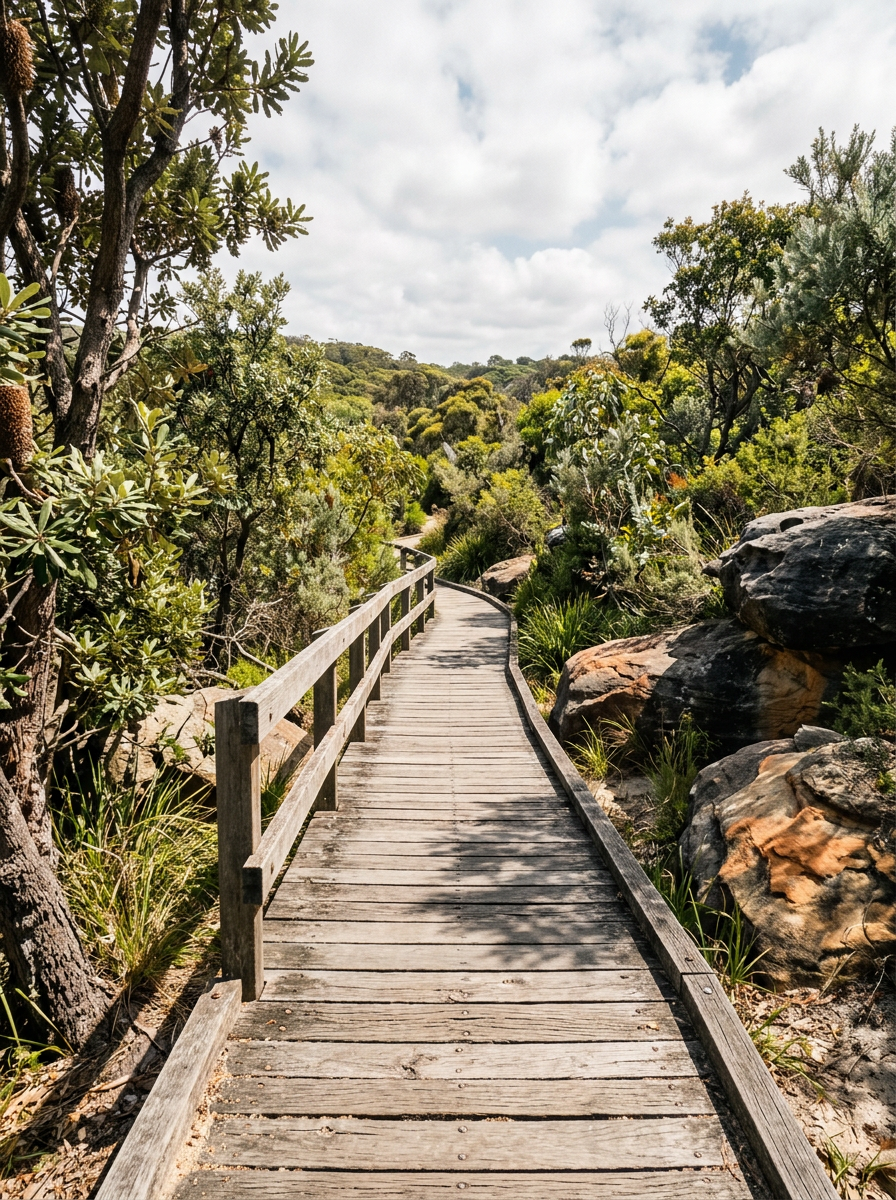
Immersive learning at Kamay Botany Bay
We acknowledge the traditional custodians of the land on which our fieldwork study took place, the Gweagal Peoples. We pay our respects to the Elders past, present and emerging. We acknowledge the Aboriginal Elders and knowledge holders who have helped us to understand the special connection Aboriginal People have to Country


Where are we going?
Kamay National Park is a special place on Sydney's coastline. It is Aboriginal Country and it has deep and continuing connections to people, culture, stories, plants, animals and waterways
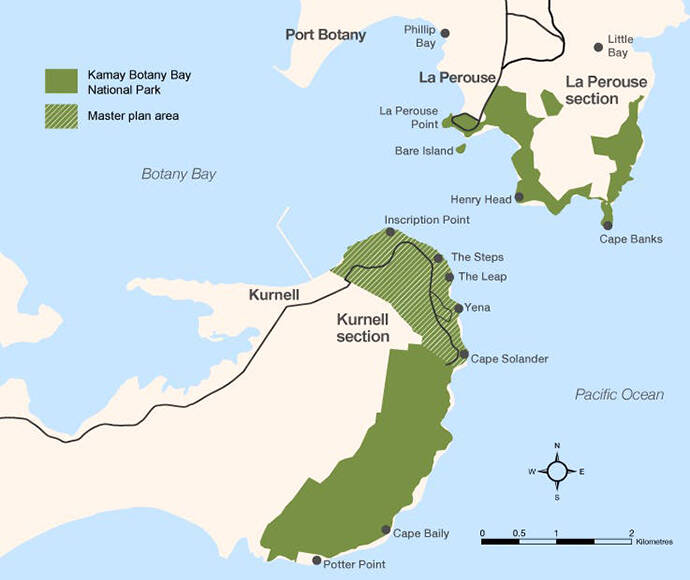

Map of Kamay National Park
Did you know?
- Kamay has two main areas — Kurnell on the southern side of Botany Bay and La Perouse on the northern side.
- Kamay is much more than a beautiful park. It is a place of deep and continuing Aboriginal cultural significance, with evidence of Aboriginal occupation and connections to Country.
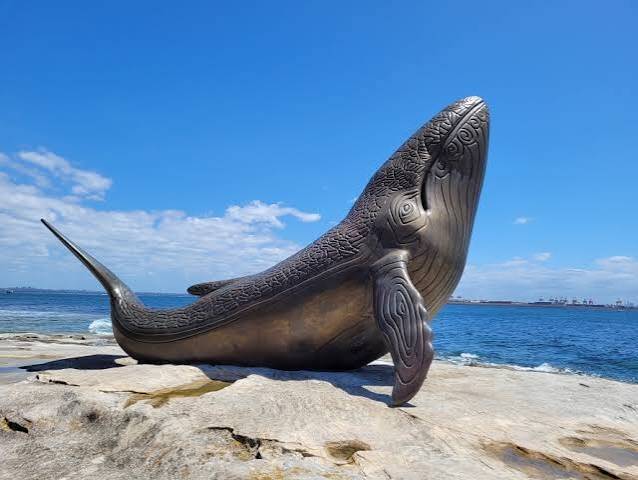
- You can spot whales! Cape Solander at Kurnell is a well-known whale-watching location, particularly during the humpback migration in June and July.
- Scientists collected plants here more than 250 years ago. Joseph Banks and Daniel Solander collected plant specimens at Kamay in 1770.
Your Mission:
Your mission is to become a Kamay National Park Country detective! During your investigation you will investigate:
- COUNTRY - What makes this place special?
- CONNECTION - How do Aboriginal People connect with Country?
- CULTURE - What can we learn from Aboriginal Peoples knowledge and skills?
- CARE - How can people care for this place?
Students Details
Name: Lucy Pope
SID: 22183915
Course: TEAC 2063 (Spring 2026) History, Geography, Civics, Citizenships in the Primary Years
Learning area: Stage 2 Aboriginal Cultures and Histories
Site: Kamay Botany Bay National Park